For years, Greater Noida West was largely viewed as a residential destination.
People bought apartments, families moved in, and developers focused heavily on housing supply.
Today, the conversation is changing.
As the area's population continues to grow, investors are asking a different question:
Where will residents shop, eat, work, and spend their leisure time?
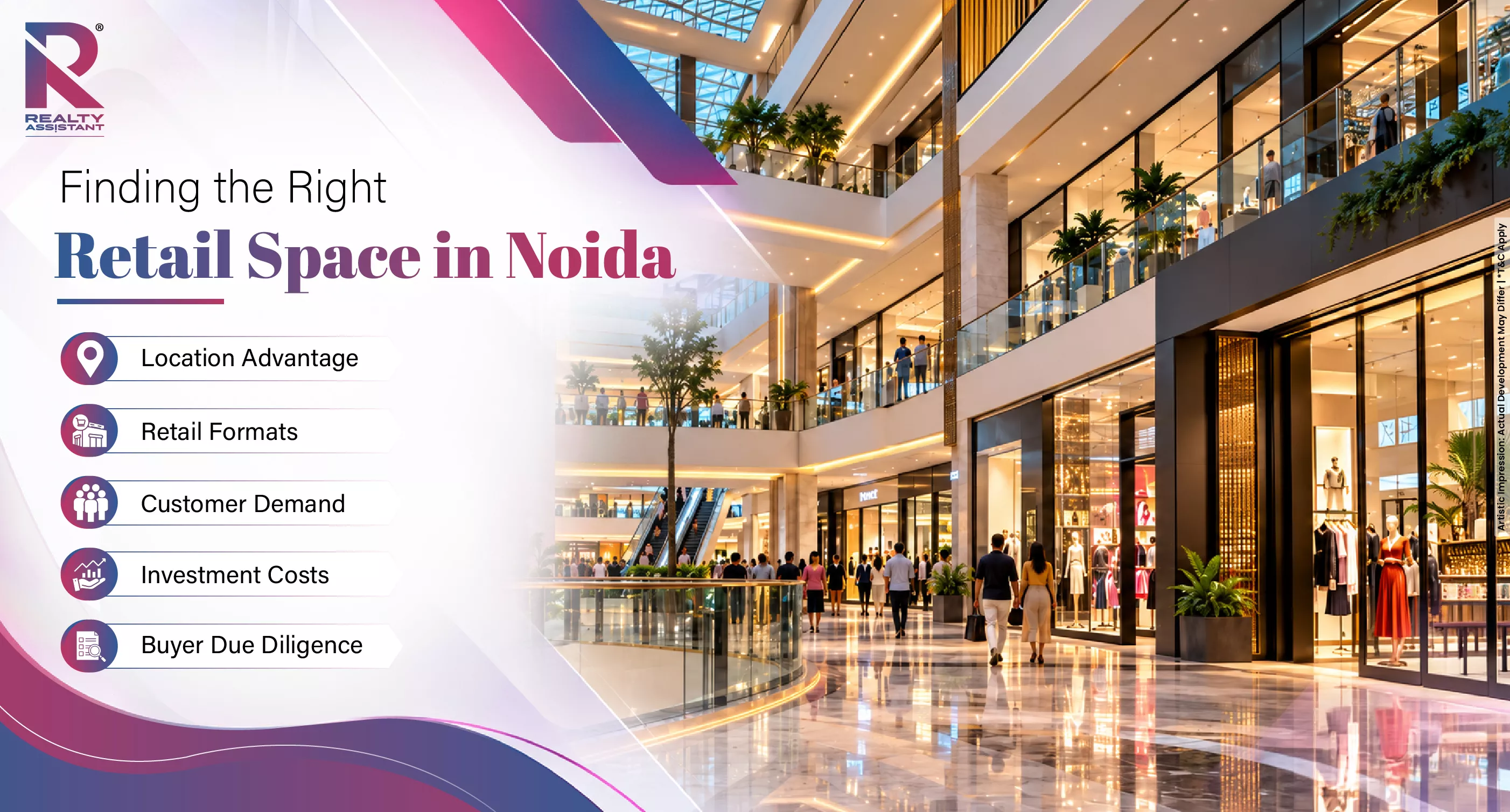
That shift is one reason commercial property in Greater Noida West is receiving increased attention from investors, retailers, franchise operators, and business owners.
The opportunity is no longer only about owning a home. It is increasingly about owning the spaces that support everyday life.
Why Commercial Real Estate in Greater Noida West Is Gaining Momentum
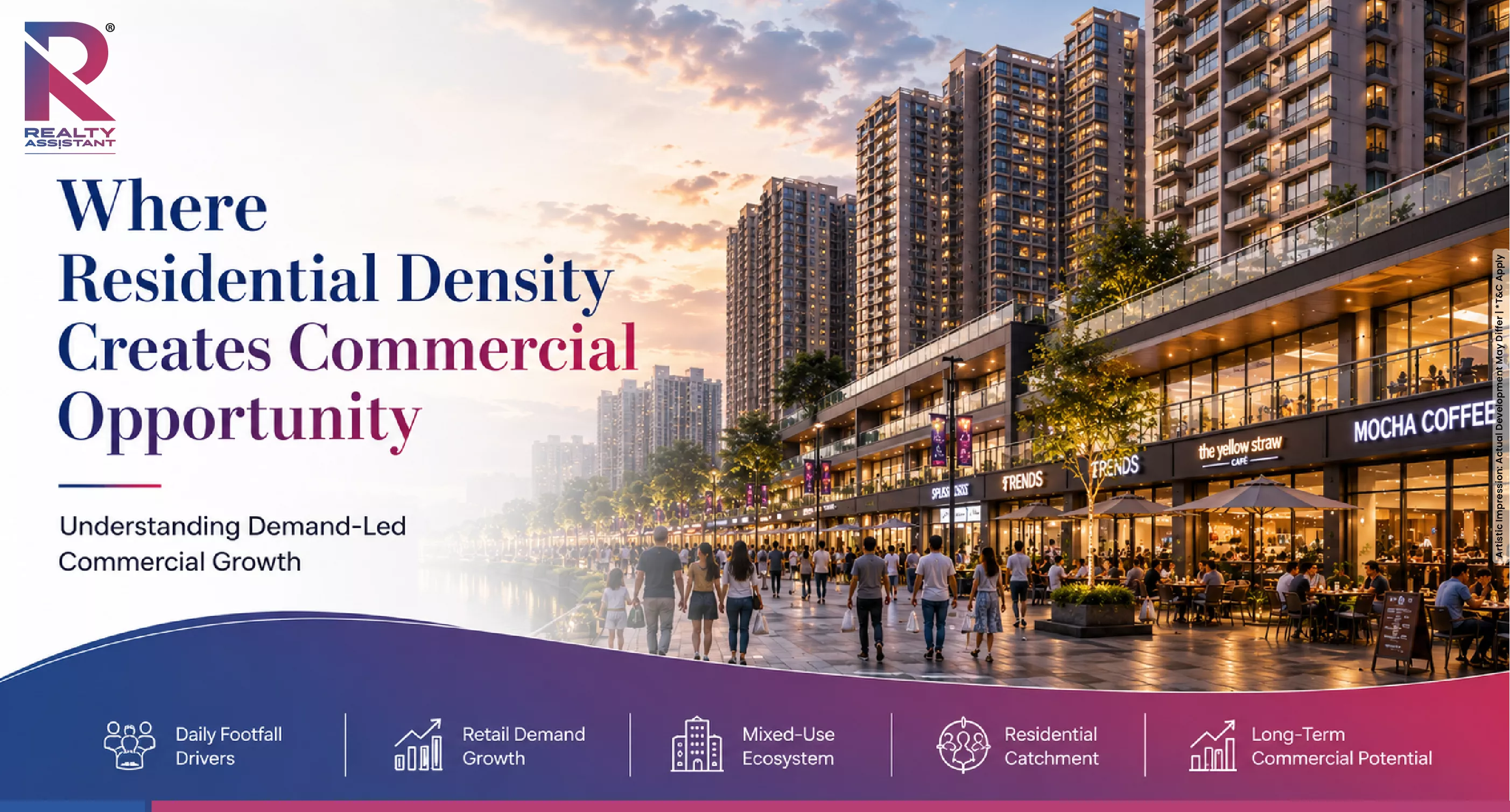
Greater Noida West, commonly referred to as Noida Extension, has emerged as one of NCR's fastest-growing residential corridors. As residential occupancy continues to increase across sectors and integrated townships, demand for retail shops, office spaces, food outlets, and service-oriented businesses is also expanding.
Commercial markets typically follow residential growth.
Once a location develops a large residential catchment, demand begins to emerge for:
Retail stores
Food outlets
Clinics
Banks
Service businesses
Offices
Convenience brands
Greater Noida West has crossed the stage where commercial activity depends solely on future promises.
Large residential communities already exist across the region, creating consistent demand for daily-use businesses.
This is one reason many investors exploring commercial real estate in Greater Noida West are evaluating projects located within established residential ecosystems rather than isolated commercial zones.
You can explore the broader market through our guide to properties in Greater Noida West and the evolving real estate landscape in the region.
The Importance of Population Density in Commercial Investment
A common mistake among first-time commercial investors is focusing only on price.
Footfall often matters more.
A retail shop located within a high-density residential corridor may outperform a larger unit in a less active location.
When evaluating commercial property, consider:
Residential Catchment
How many people live nearby?
Daily Consumption Demand
Will residents require grocery stores, cafés, healthcare services, and lifestyle brands?
Accessibility
Can customers reach the project conveniently?
Business Sustainability
Can tenants realistically operate and grow in the location?
The strongest commercial projects usually score well across all four factors.
Gaur Chowk: An Emerging Commercial Influence Zone
Among Greater Noida West's most active corridors, the Gaur Chowk region continues to attract attention.
Its strategic positioning offers connectivity toward:
As residential developments around this corridor mature, commercial demand naturally follows.
For investors researching commercial property near Gaur Chowk, the area's growth is increasingly linked to everyday consumer demand rather than speculative expectations.
Why Connectivity Matters for Commercial Property
Commercial businesses often perform better in locations that are easily accessible from multiple residential sectors. Connectivity influences customer movement, employee accessibility, delivery operations, and overall business convenience.
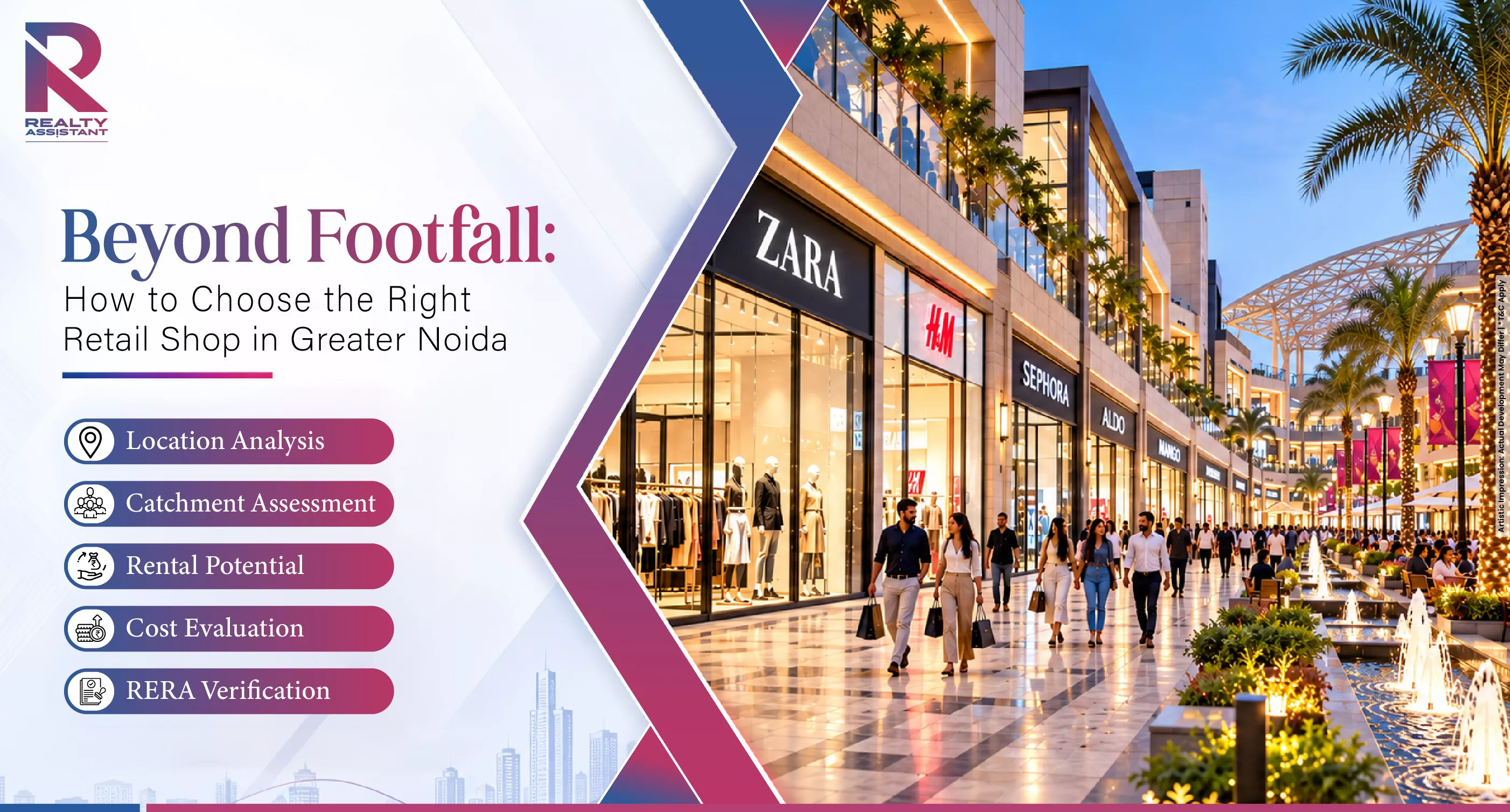
How Investors Evaluate Retail Shops Today
The market has become more selective.
Instead of buying any commercial unit, investors increasingly ask:
Is there an existing footfall?
What types of businesses can operate here?
Is leasing demand visible?
Does the surrounding population support long-term occupancy?
Investors also assess visibility, accessibility, and the ability of local businesses to sustain operations over the long term.
These questions often lead investors toward established mixed-use commercial destinations rather than standalone projects.
Gaur City Center: A Practical Example of Commercial Demand
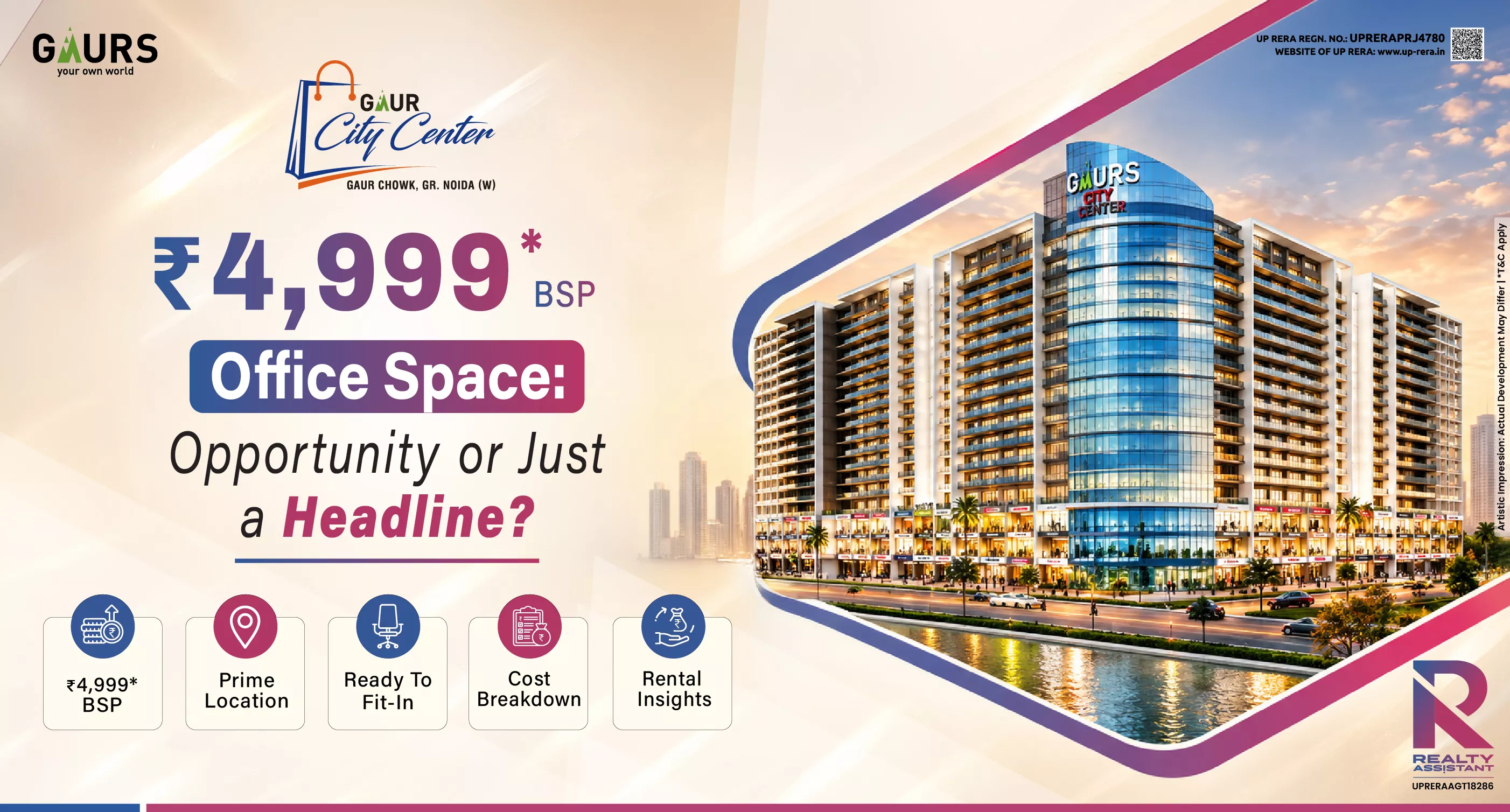
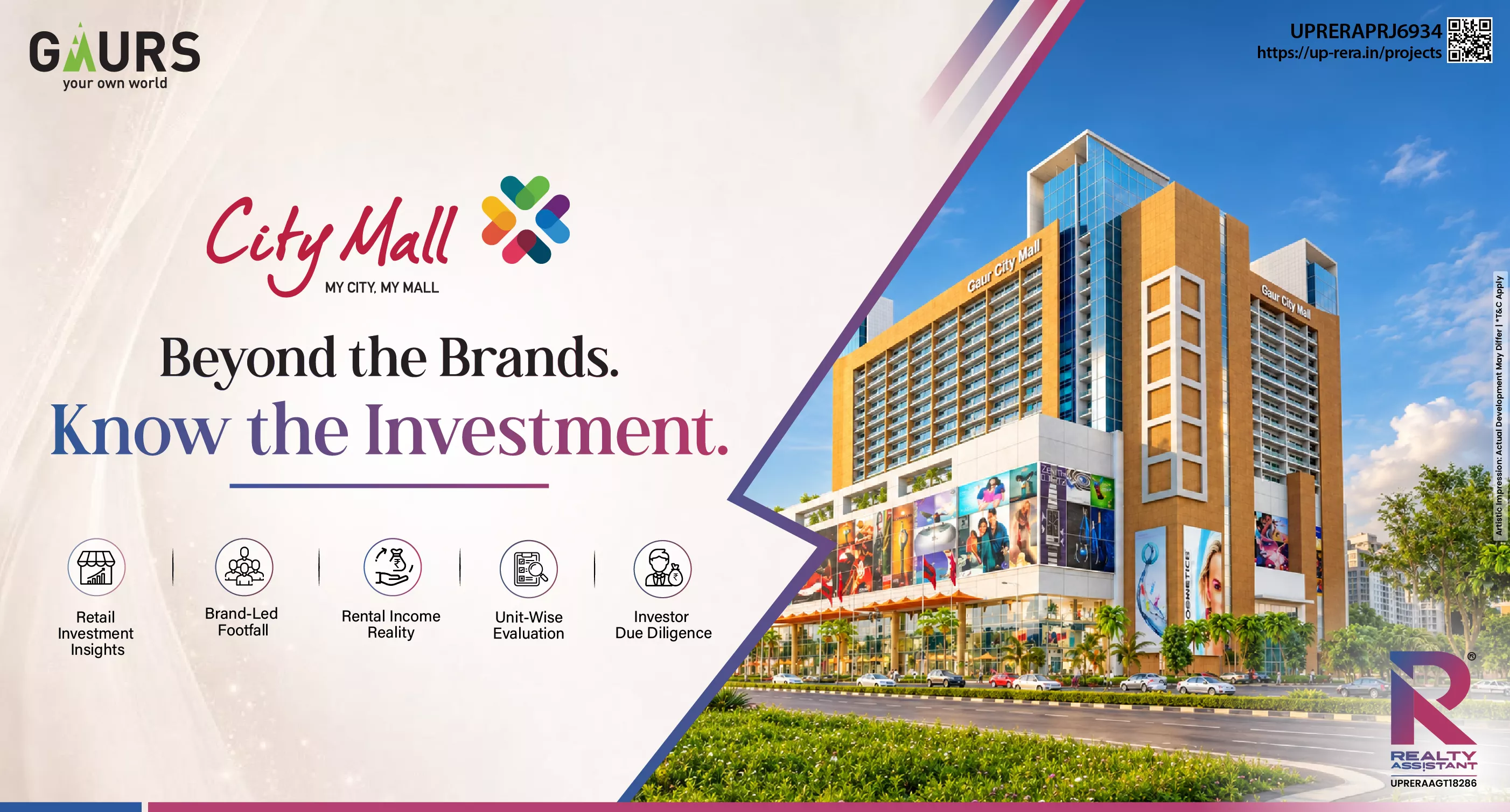
One project frequently discussed in the local commercial market is Gaur City Center.
Rather than viewing it purely as a building, investors often evaluate it as part of a larger ecosystem.
The project benefits from:
Large surrounding residential population
Established consumer movement
Retail activity
Food and dining demand
Office usage
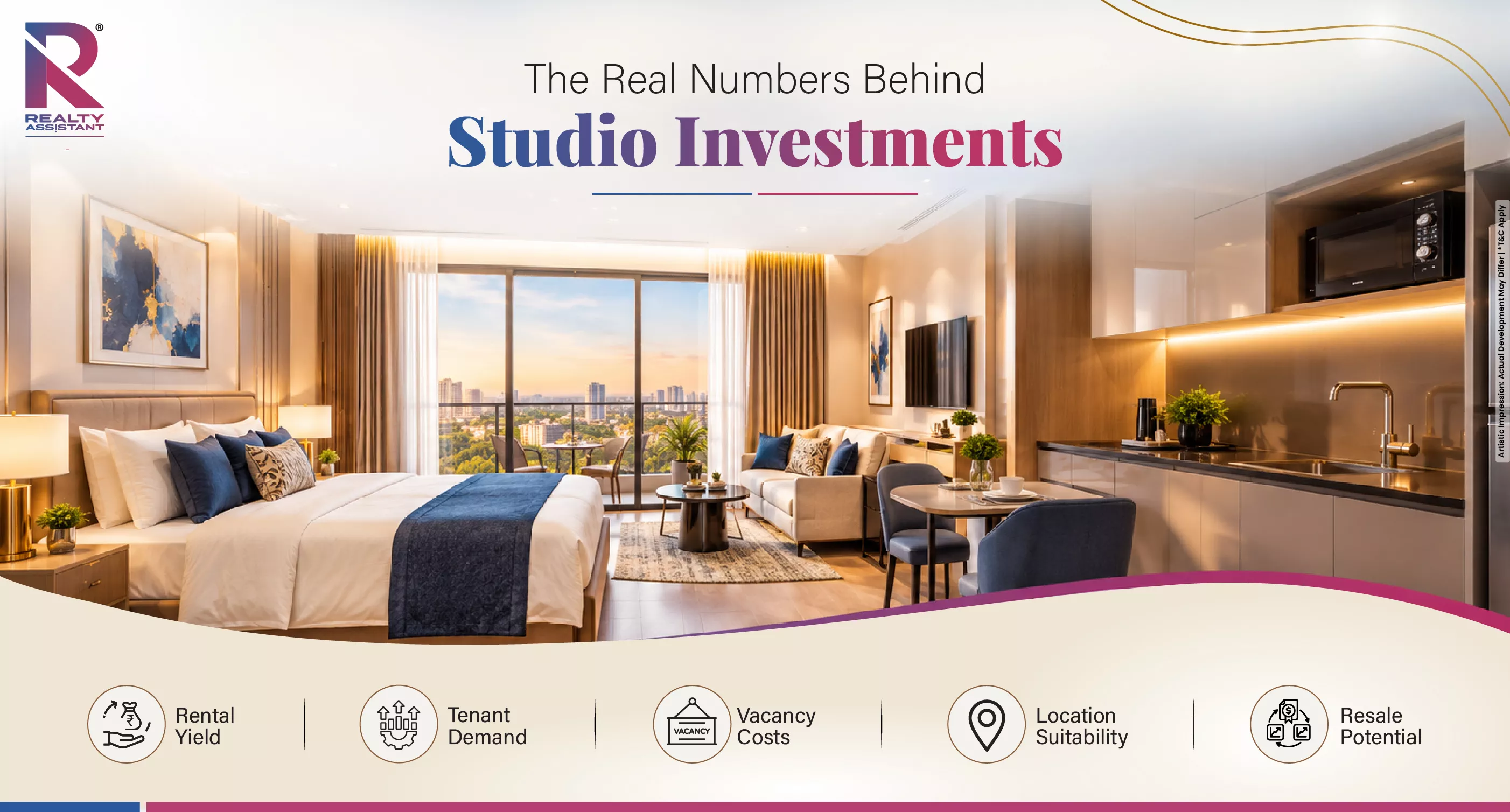
Studio and commercial occupancy potential
Because the project is positioned within an operational residential ecosystem, investors often evaluate it based on existing demand rather than future population assumptions. This distinction is important when comparing commercial developments across Greater Noida West.
For buyers researching retail shops in Gaur City Center or a commercial space in Gaur City Center, the appeal often comes from its existing catchment rather than future projections.
Investors looking to compare layouts, inventory availability, pricing, and commercial space options can explore the complete Gaur City Center property details before making a decision.
Retail Shops, Offices, or Studios: Which Option Makes Sense?
The answer depends on your investment objective.
Investment Type
| Suitable For
|
Retail Shops
| Franchise brands, retailers, service businesses |
Office Spaces
| Consultants, startups, professional firms
|
| Commercial Studios | Rental-focused investors and flexible commercial ownership |
Food & Beverage Units
| Cafés, QSRs, food brands
|
Many investors start by comparing available shops for sale in Greater Noida West, while others focus on office assets or studio-based investment models.
The key is matching the property type with actual demand in the location.
What First-Time Commercial Investors Should Check
Before proceeding with any commercial purchase, verify:
Footfall Drivers: Understand what brings customers to the location.
Tenant Demand: Research local leasing activity.
Developer Track Record: Review completed projects and operational performance.
Access & Connectivity: Good access improves customer movement.
Exit Potential: Consider how easily the asset may be leased or resold.
For projects developed by established builders, reviewing the developer profile can provide additional context. Investors often explore the Gaurs Group track record when evaluating commercial developments in the region.
Developer reputation, project maintenance standards, and occupancy levels often play an important role in long-term commercial performance.
Is Greater Noida West Still Early for Commercial Investment?
The answer depends on the micro-location.
Some pockets are already functioning as active commercial hubs.
Others are still waiting for population density to mature.
Investors typically look for locations where residential demand already exists, but commercial infrastructure is still expanding.
That balance often creates the strongest opportunity for both leasing and long-term appreciation.
Projects positioned within established residential corridors frequently attract attention because they combine current demand with future growth potential.
Key Factors Driving Commercial Demand in Greater Noida West
Factor
| Impact on Commercial Property
|
| Residential Population | Creates everyday consumer demand
|
Road Connectivity
| Improves accessibility
|
Retail Expansion
| Attracts brands and service businesses
|
| Educational Institutions | Generates daily footfall |
| Office Growth | Supports food and convenience businesses |
Infrastructure Development
| May support long-term growth
|
Final Thoughts
Commercial property decisions are rarely about square footage alone.
They are about people.
Where people live, businesses follow.
Where businesses succeed, commercial real estate tends to perform better.
That is why commercial property in Greater Noida West continues to attract investors—from first-time buyers exploring retail ownership to experienced investors evaluating long-term rental income opportunities.
If you are researching a commercial investment opportunity in Gaur City Center, comparing retail formats, or assessing opportunities across Greater Noida West, start with location fundamentals, demand drivers, and real-world commercial activity before making a decision.
Reviewing floor plans, available inventory, current business activity, and on-ground footfall can often provide more clarity than projections alone.