Picture This:
A Saturday afternoon.
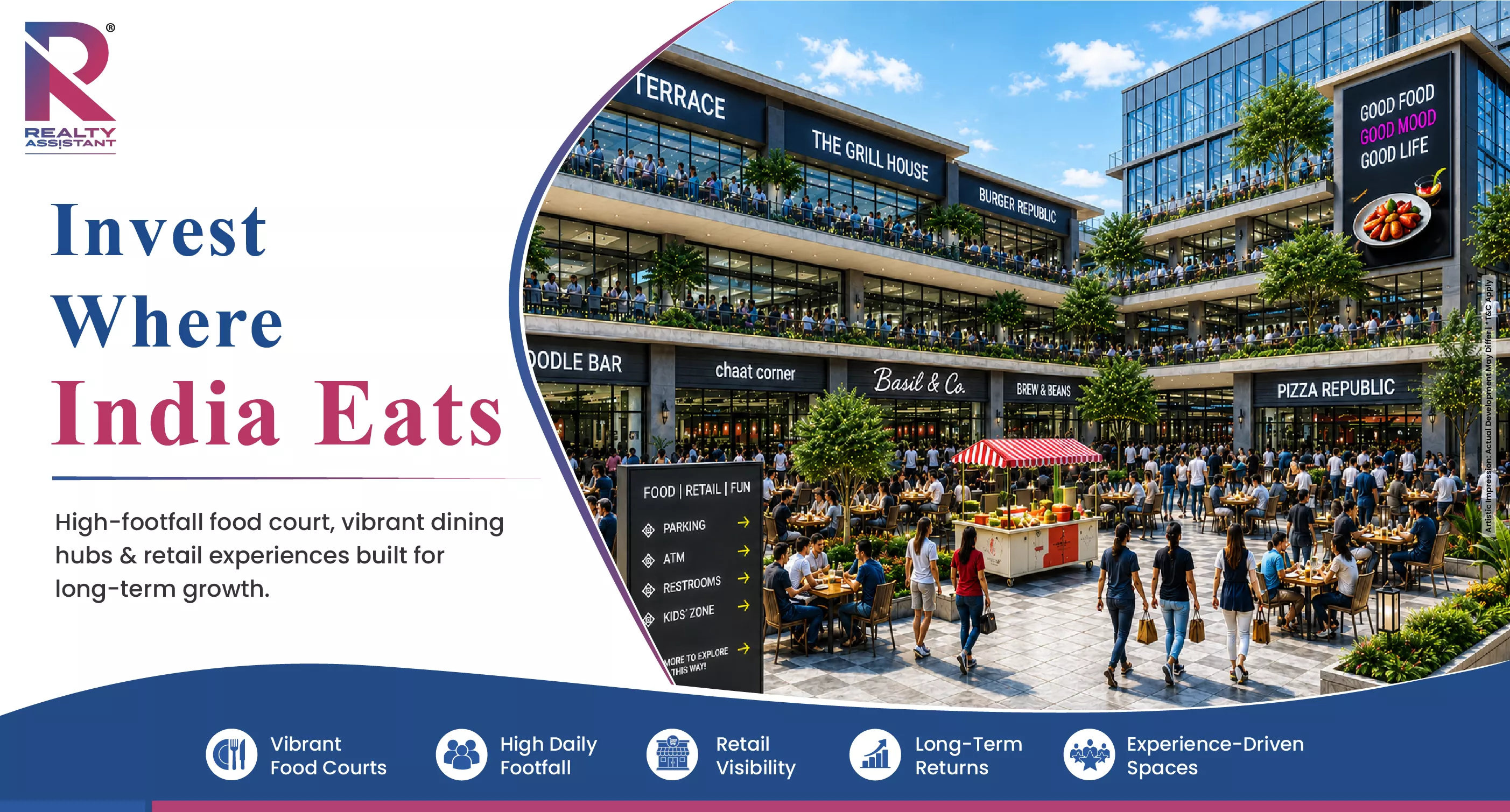
A buzzing food court.
Every table taken; the billing counter never quiet.
Now imagine you own a piece of that space, and every order placed is quietly working for your portfolio.
That's not a fantasy. That's food court investment in India, 2026.
You Can Delay Luxury, But Never Food. That’s The Power Of F&B.
India's F&B Is Quietly Generating Significant Real Estate Returns
India's food and beverage industry is on a trajectory that most investors haven't fully woken up to yet.
The sector is projected to grow significantly in the coming years, driven by urbanization.
A generation that genuinely eats out as a lifestyle, not just an occasion.
And here's what makes it interesting for real estate investors: food attracts footfall.
Footfall drives commerce.
Commerce drives property value.
That's a compounding loop most retail assets simply can't replicate.
What Makes Food Courts Different From Other Commercial Properties?
Not all commercial real estate is built the same. Food courts offer a combination of advantages that traditional retail shops or office spaces rarely match:
- Recession-resilient demand: People may cut unnecessary spending, but food remains non-negotiable.
- Long-term lease tenancies: F&B operators commit to longer lease terms, delivering more predictable rental income.
- Continuous footfall: A well-located food court draws daily visitors, not just weekend traffic.
- Emotional stickiness: People return to spaces where they've had good experiences, creating loyal, habitual customers for tenants.
The result? A high-footfall commercial asset built to stay relevant across economic cycles, and Migsun has delivered exactly that.
Migsun Group is one of North India's established commercial developers that has strategically built food court properties across three high-growth corridors: Delhi, Lucknow, and Greater Noida.
Each project reflects a deliberate location strategy designed to maximize investor returns.
Migsun Rohini Central, Delhi
Situated in Rohini Sector 22, this mixed-use development sits at the intersection of dense residential catchment and active commercial activity.
Audience converges here:
A trusted high-footfall destination in Delhi, built for scalable F&B investment opportunities.
Food Lane at Migsun Lucknow Central
Lucknow's love affair with food is cultural, not casual.
Positioned on Amar Shaheed Path near Medanta Hospital, this commercial property in Lucknow captures a diverse daily audience:
The Food Lane here is designed to convert that footfall into consistent rental performance.
Migsun Delta 2, Greater Noida
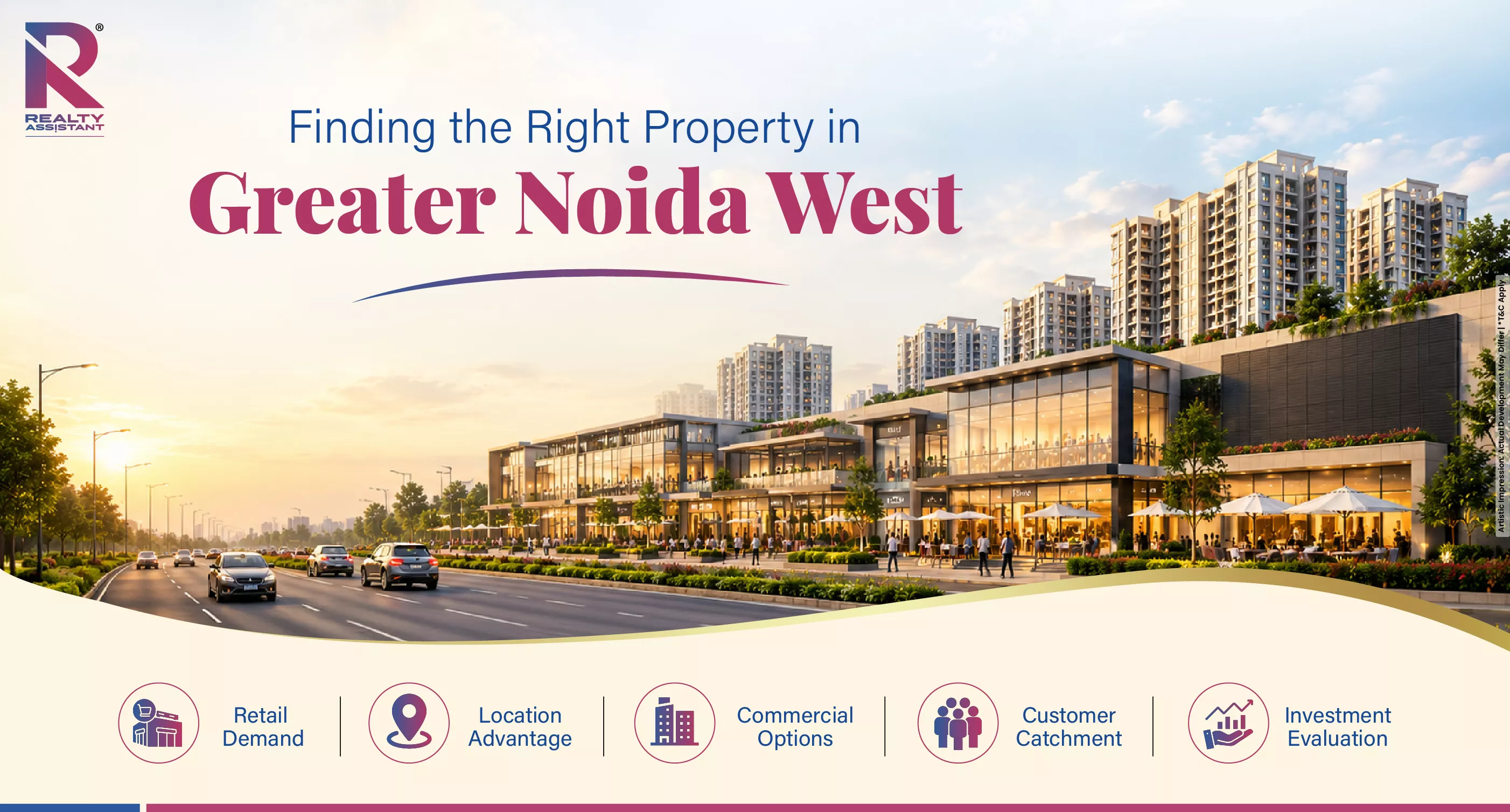
Greater Noida is no longer an emerging market; it has emerged.
Sector Delta 2 is seeing rapid residential density and a growing base:
A food court in Greater Noida here means entering an appreciating market before broader market catches up.
The Investment Case
Food court spaces offer:
- Rental income potential backed by high-footfall, mixed-use environments
- Capital appreciation in locations experiencing active urban expansion
- Diversified commercial exposure across three distinct city markets
These aren't speculative bets. These are positions in markets where demand for quality dining and convenience is structurally growing.
Don’t Miss The Upswing
Early-stage commercial investments in high-growth corridors tend to offer the best entry pricing.
As infrastructure matures and brand recognition grows around these projects, prices rise accordingly.
If food court investment is something you've been considering, the smarter move is to evaluate and act before missing out.
To speak with an advisor to understand which opportunity aligns with your investment goals, click here.