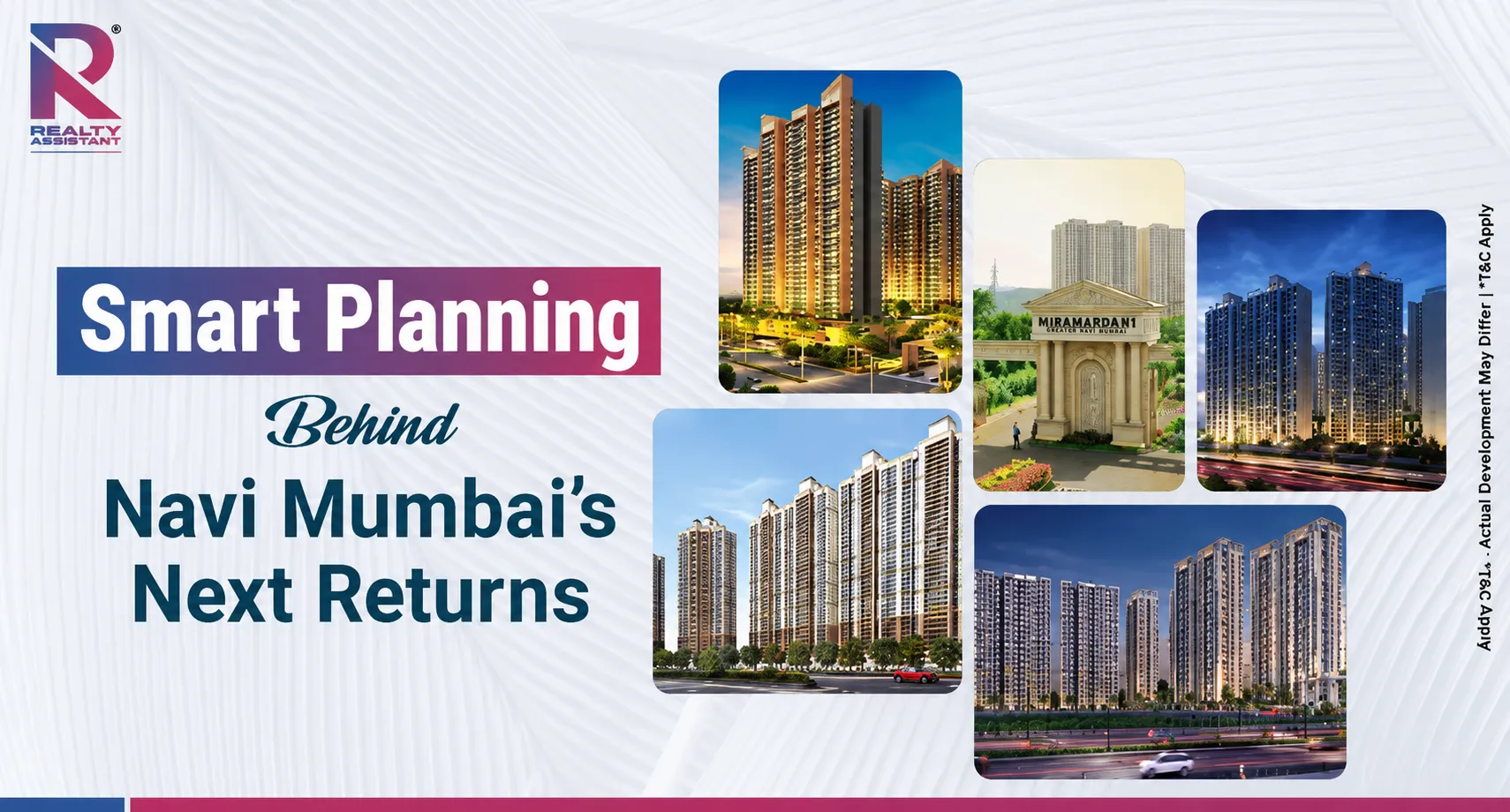
Navi Mumbai has entered a phase where infrastructure growth is no longer speculative—it’s visible on the ground. With the international airport, trans-harbour connectivity, and planned urban zones taking shape, investors are now asking a more refined question: which projects can offer stable long-term returns without overpaying at the entry stage?
The biggest returns in Navi Mumbai are no longer coming from height or hype—but from how land is planned.
For 2026-focused investors, landscaping-led residential projects stand out. These developments prioritise open spaces, planned layouts, and long-term livability—factors that increasingly influence both resale value and rental demand. Below are five projects in Panvel and nearby zones that are often studied for investment analysis rather than short-term gains.
Why Landscaping-Focused Projects Matter in Navi Mumbai
Landscaping is no longer just an aesthetic add-on. In Navi Mumbai, it reflects better planning, lower density, and future-ready infrastructure. Projects with integrated green zones tend to attract end users earlier, which supports price stability. This is especially relevant for those evaluating Property in Navi Mumbai for long-term holding rather than quick exits.
1. Arihant Aspire, Panvel Navi Mumbai
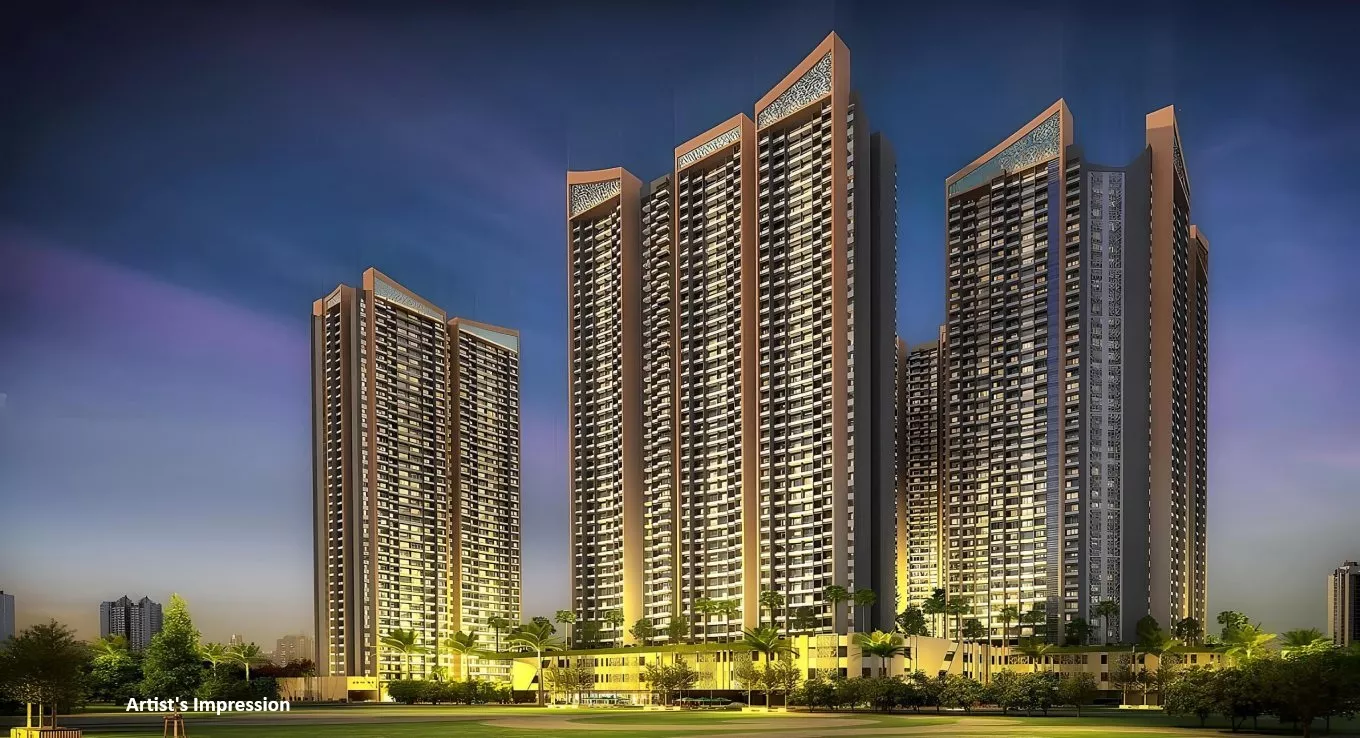
Arihant Aspire Panvel Navi Mumbai is positioned as a mid-segment residential development with a clear focus on planned open spaces. The layout emphasises internal roads, green buffers, and functional common areas rather than vertical congestion.
From an investment perspective, the project draws attention due to its location advantage in Panvel and its relevance for buyers looking at 1 BHK Flat in Navi Mumbai, 2 BHK Flats in Navi Mumbai, and 3 BHK Flats in Navi Mumbai Such configurations often show consistent end-user demand, which supports rental absorption over time.
2. The Arena, Hiranandani Fortune City Panvel Navi Mumbai
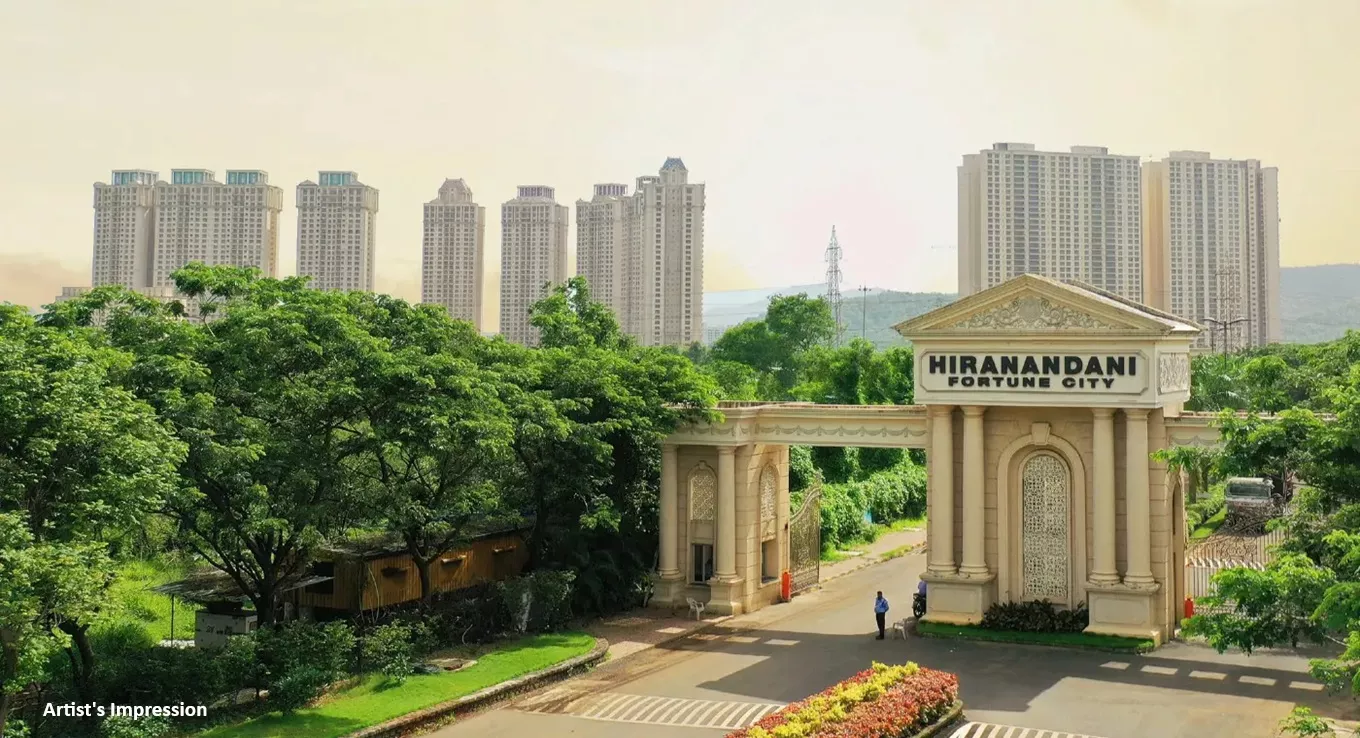
The Arena Hiranandani Fortune City Panvel Navi Mumbai benefits from being part of a larger township ecosystem. Large-format landscaping, walking corridors, and controlled zoning are key features that distinguish it from standalone developments.
For investors, township-linked projects reduce dependency on external infrastructure completion. They are often evaluated by buyers searching for 2, 3, and 4 BHK Flats in Navi Mumbai, Luxury Flats in Navi Mumbai, or Residential Property in Panvel with predictable livability standards. This makes them relevant for both long-term wealth planners and NRIs looking for managed assets.
3. Embassy Park, Panvel Navi Mumbai
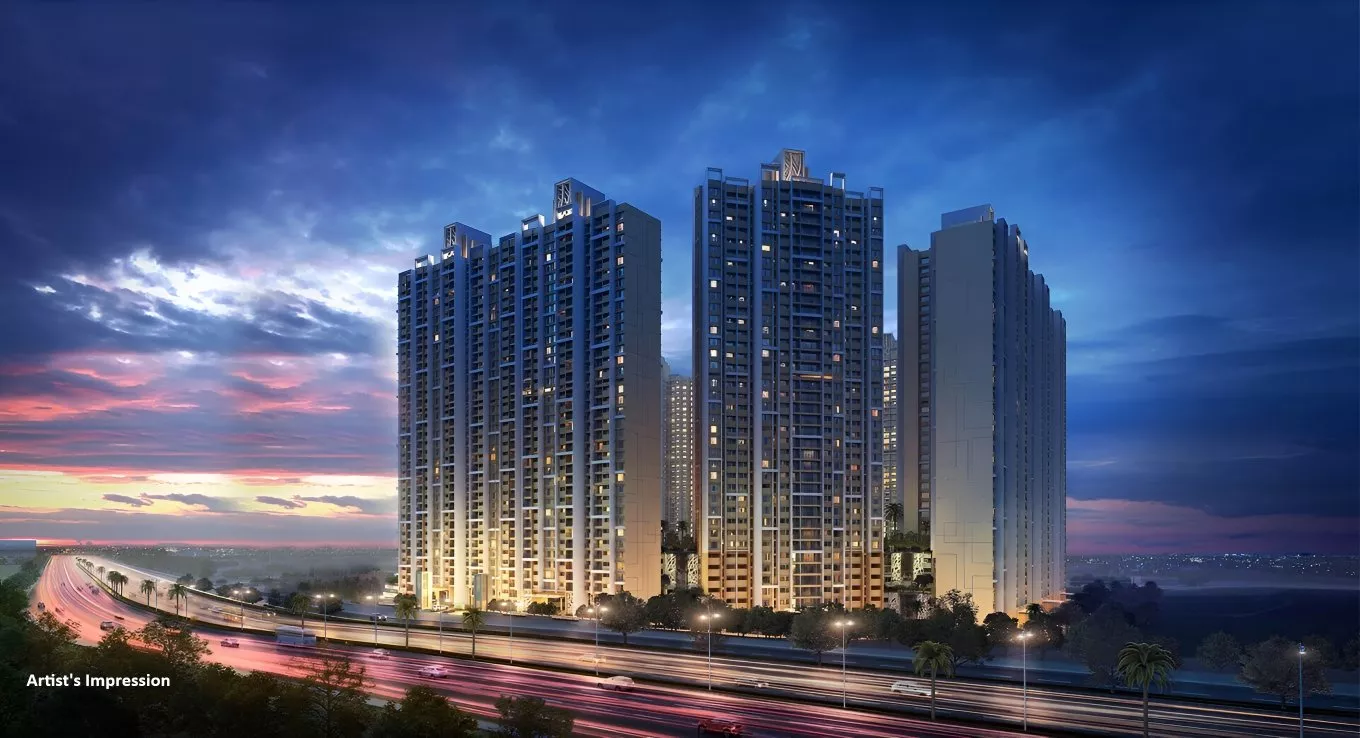
Embassy Park Panvel Navi Mumbai is often discussed in the context of institutional planning standards. The emphasis here is on balanced land use—residential blocks supported by landscaped commons and future commercial compatibility.
Such projects tend to appeal to buyers considering 1 BHK Flats in Navi Mumbai or even 2 BHK Flats in Navi Mumbai, where open views and privacy matter more than dense inventory. While ticket sizes are higher, the buyer profile is usually more stable, which can influence long-term value retention.
4. Paradise Sai World City, Panvel Navi Mumbai

Paradise Sai World City Panvel Navi Mumbai operates at township scale, where landscaping becomes part of daily utility rather than a visual feature. Parks, internal green belts, and pedestrian-friendly design contribute to its positioning.
From an investment lens, large-scale developments often show phased appreciation instead of sharp spikes. This suits investors focused on gradual capital growth while catering to demand across Low Budget Flats in Navi Mumbai to mid-range homes within the same ecosystem.
5. Lamer One, Panvel Navi Mumbai
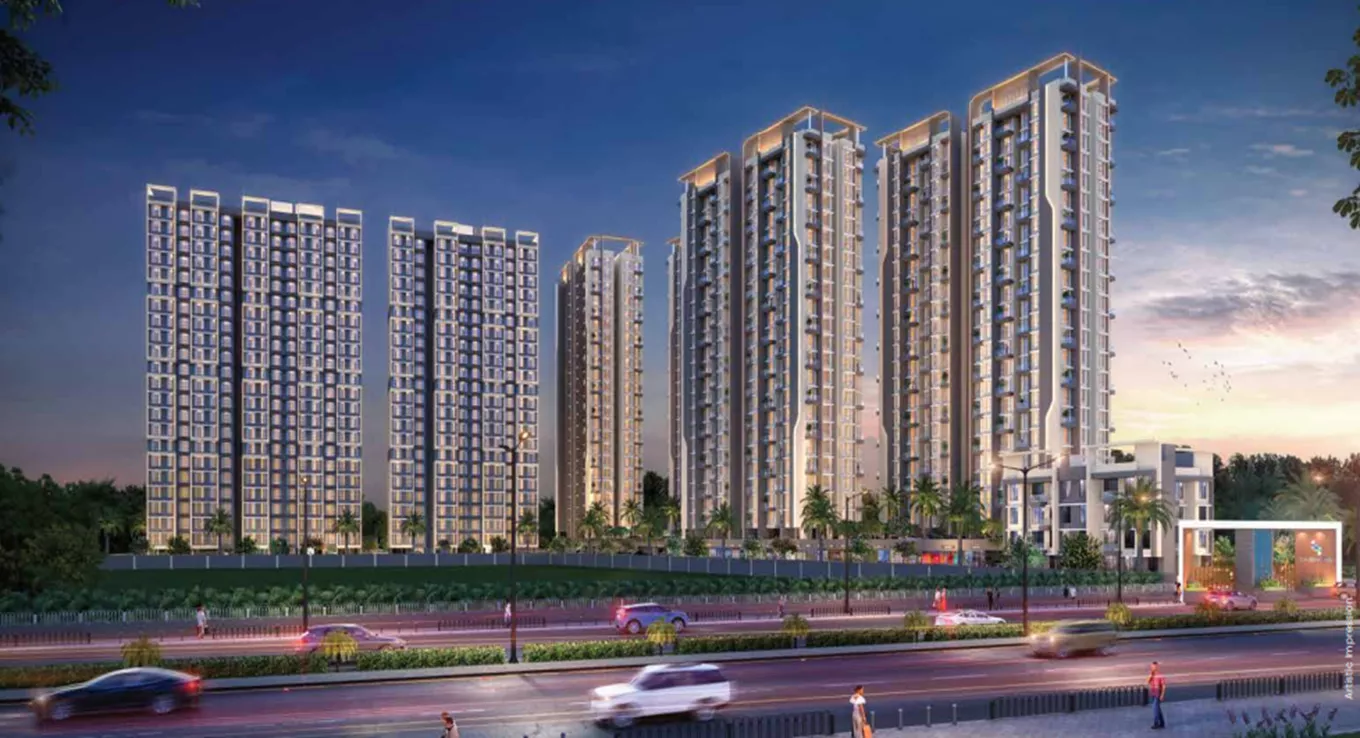
Lamer One Panvel Navi Mumbai is relatively niche compared to large townships, but its planning-led approach attracts attention. Limited inventory, controlled density, and curated green spaces define its layout.
Projects like this are typically tracked by buyers exploring 1 BHK Flat in Navi Mumbai and 2 BHK Flats in Navi Mumbai, or premium low-rise apartments. While liquidity may be slower compared to mass housing, such assets are often evaluated for exclusivity and long-term positioning rather than volume-driven returns.
How Investors Can Evaluate These Projects Practically
Instead of focusing only on price trends, investors should examine:
- Ratio of open space to built-up area
- Phased infrastructure delivery timelines
- End-user vs investor buyer mix
- Connectivity readiness, not just announcements
These factors matter equally whether the asset is a compact apartment or a larger-format home.
Closing Perspective
Landscaping-led residential projects in Navi Mumbai reflect a shift toward planned urban living rather than speculative construction. For 2026-focused investors, the projects discussed above are commonly analysed because they align with infrastructure-led growth and evolving buyer preferences.
Investment outcomes will always depend on entry timing, holding period, and local demand dynamics. A careful, data-backed evaluation remains more reliable than chasing short-term narratives—especially in a market as structurally evolving as Navi Mumbai.
Frequently Asked Questions:
Q. What are landscaping-led residential projects?
A. Landscaping-led projects prioritise open spaces, green zones, and low-density planning, improving long-term livability and value stability.
Q. Why are landscaping-focused projects gaining attention in Navi Mumbai?
A. With infrastructure maturing, buyers now value planning quality over speculation, making landscaped projects more resilient to market cycles.
Q. Are landscaping-led projects better for long-term investment?
A. Yes. These projects typically attract end users earlier, supporting rental demand and steady appreciation rather than volatile price spikes.
Q. Which locations in Navi Mumbai benefit most from such projects?
A. Panvel and surrounding growth corridors benefit most due to large land parcels, planned infrastructure, and township-scale development.
A. Often, yes. Townships reduce dependency on external infrastructure and offer predictable livability, which improves buyer confidence.
Q. Is landscaping more important than building height for returns?
A. For long-term investors, yes. Better land planning usually matters more than vertical density once the market matures.
Q. Are these projects suitable for NRIs?
A. Yes. Landscaping-led and township projects appeal to NRIs seeking stable, managed assets with long holding potential.
Q. How should investors evaluate landscaping-led projects?
A. Focus on open-space ratios, phased development plans, buyer mix, and actual connectivity—not future announcements alone.
Q. Do premium landscaped projects have slower liquidity?
A. They can, but the buyer profile is usually more stable, which supports long-term value retention over speculative churn.
Q. Are landscaping-focused projects relevant for 2026 investors?
A. Yes. As Navi Mumbai shifts from expansion to consolidation, well-planned projects align better with future demand trends.